
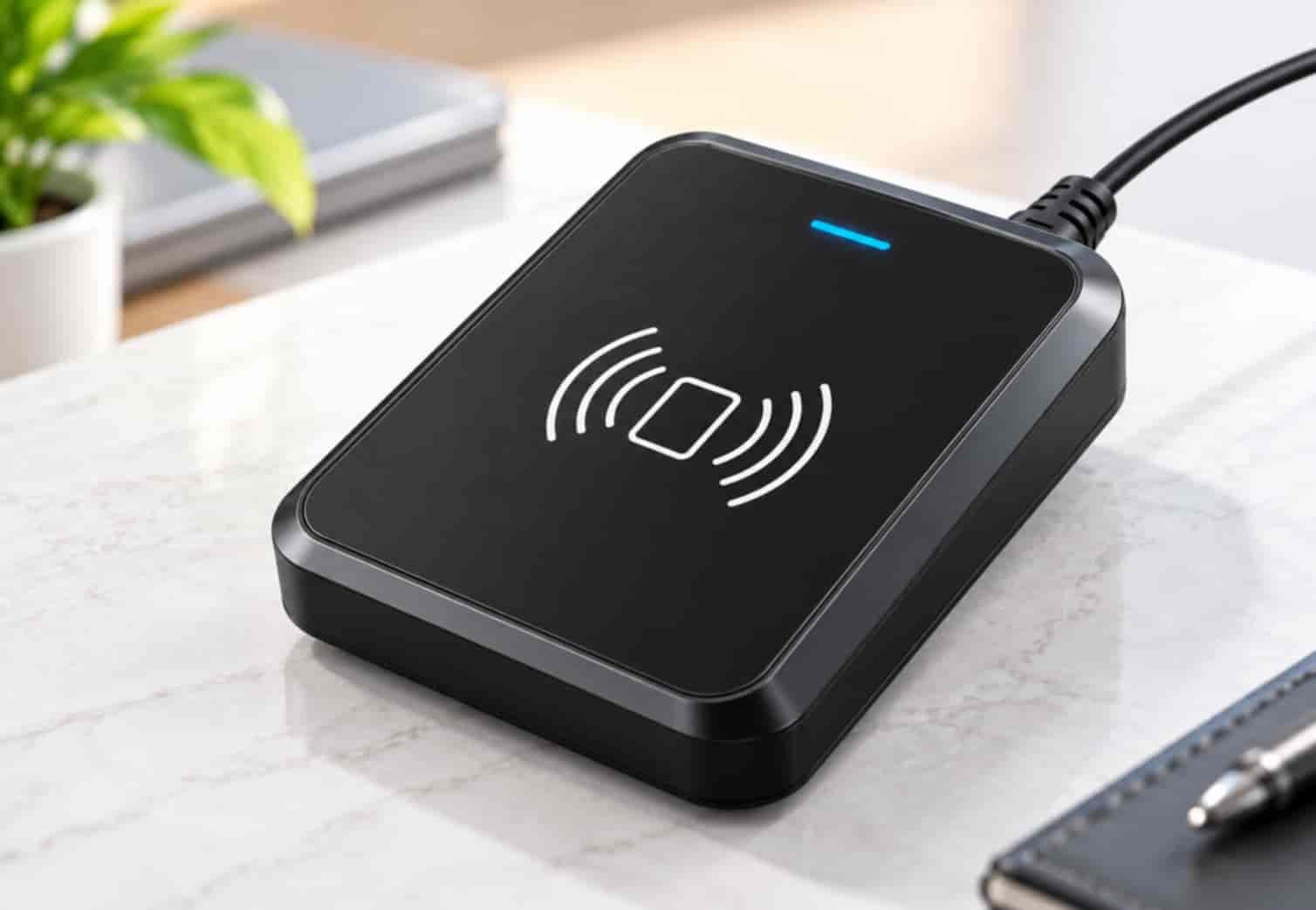
RFID Readers (ADPM): Compliance Guide for the Indian Market
Radio Frequency Identification Devices (ADPM) are RFID readers that employ radio frequency identification to capture information from RFID tags in order to identify, track, and control access. They are employed for applications in inventory management, warehouse automation, retail billing, asset tracking, attendance system, logistics, manufacturing, and security systems. Different types of readers come with wired connectivity, Wi-Fi or Bluetooth connectivity, and other radio-frequency functionality.
Companies intending to deploy this equipment in India must be familiar with RFID Readers (ADPM) Certification, which entails evaluating the product design, the wireless functionality and the relevant certifications. It is necessary to comply with the certification process since the type of approvals needed varies depending on the radio technology, operating frequency, electrical design, and the class of the product. Companies that manufacture, import, or distribute and sell the product need to verify the appropriate certifications.
Key Compliance Highlights
|
Particular |
Details |
|---|---|
|
Product Name |
RFID Readers (ADPM) |
|
Applicable Certification |
WPC ETA approval, BIS CRS Registration, EPR Registration |
|
Applicable Indian Standard |
IS 13252 (Part 1) (valid till 1 Nov 2028), IS/IEC 62368-1:2023 (updated IS), ITEW9 |
|
Compliance Requirement |
Mandatory |
|
Certificate Issued by the Ministry |
The Ministry of Communications Ministry of Electronics and Information Technology (MeitY) |
Required Certifications
Applicants will have to obtain required certifications for an RFID Reader depending on the technical configuration, applications, and regulatory classifications. In the case of RFID Readers WPC ETA Approval India, it is pertinent where a particular reader makes use of radio waves in frequency bands that fall under WPC compliance requirements. Usually, it would entail assessment of RF specifications and preparation of appropriate test reports and technical documents. The process of ETA by the Department of Telecommunications is available for wireless devices that qualify.
For BIS certification, companies are advised to check the applicability of the Compulsory Registration Scheme (CRS), the product category that the reader belongs to, and the appropriate standard requirement. Applicability of the Compulsory Registration Scheme (CRS) for BIS cannot be determined by the name of the product alone. Where the particular product qualifies for the applicability of India’s E-Waste (Management) Rules, 2022, relevant manufacturers and producers shall register their EPR through CPCB.
Why Businesses Trust ECS India for Product Compliance
ECS India facilitates businesses in getting clarity about the regulatory compliance requirements relevant to their RFID reader models prior to entering the Indian market. The procedure starts with conducting a product compliance assessment taking into consideration the function of the device, its connectivity options, frequency bands and power configurations.
Our team provides assistance in classifying products, preparing documents and collaborating with relevant testing facilities. If necessary, we can also help with BIS CRS documentations, WPC ETA filings and EPR registration processes. Our team can also provide assistance in organizing the technical specifications, manufacturer authorization and relevant recordkeeping requirements.
In case there are queries regarding the application process, our team can provide assistance with regulatory query management and document correction process. The aim is to help manufacturers, importers and brand owners to get insight about the compliance gaps in their process and facilitate the process itself. The scope of services provided will depend on the product configuration and approvals to be obtained.