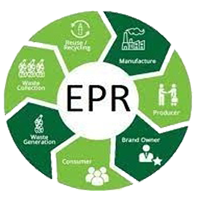
Introduction to EPR Registration for Battery Waste Management
EPR Registration for Battery Waste Management is crucial due to the toxic chemicals and heavy metals present in
batteries. These substances pose serious environmental risks if improperly disposed of, contaminating soil and water and
impacting public health. EPR for battery waste places responsibility on producers and importers to manage battery waste,
including collection, recycling, and safe disposal. By obtaining EPR certification, businesses take on the
responsibility of managing the lifecycle of batteries, ensuring they are collected and processed without harm to the
environment.
Battery Waste Management Rules, 2022
The Battery Waste Management Rules, 2022, introduced by the Ministry of Environment, Forest, and Climate Change, set
clear guidelines for battery waste handling. These rules apply to producers, importers, and assemblers involved with
batteries. Key aspects include:
- EPR Compliance: - Producers must collect and recycle waste batteries proportionate to the number of batteries introduced into the market.
- Battery Collection System: - Establishing a system to collect and safely store waste batteries.
- Targeted Recycling: - Meeting recycling targets to reduce environmental impact.
- Authorization and Certification:- Producers must obtain EPR certification for compliance.
ECS India offers expertise in understanding these rules, helping businesses manage compliance through streamlined EPR
registration.
EPR Registration for Battery Waste Process with ECS India
Battery Waste EPR (Extended Producer Responsibility) registration is essential for compliance with India’s Battery Waste
Management Rules, 2022. ECS India provides a streamlined, expert-led approach to obtaining this certification.
Assessment and Documentation
The process starts with thorough documentation assessment. Clients provide business details and a battery waste
management plan, which ECS India’s team evaluates to ensure accuracy and completeness.
Filing of Battery EPR Registration Form
Once verified, ECS India files the application with the Central Pollution Control Board (CPCB) via their online
platform, presenting all required details and the waste management plan.
CPCB Application Assessment
CPCB reviews the application for compliance. If adjustments are needed, ECS India coordinates with the client to resolve
issues promptly, reducing the risk of delays.
Issuance of EPR Authorization
If approved, the CPCB issues the EPR certificate within 30 days. The business then implements an EPR action plan to meet
annual waste collection and recycling targets.
Application Process for Battery Waste Management Registration
ECS India guides businesses through the following steps to ensure a smooth EPR Registration for Battery Waste Management.
- Documentation Preparation: – Gather essential documents, including business registration, PAN, and a detailed battery waste management plan.
- Application to CPCB: – Submit an application for EPR registration to the Central Pollution Control Board (CPCB) via their online platform.
- Submission of Waste Management Plan: – Outline a comprehensive waste management plan detailing the collection, recycling, and disposal process.
- CPCB Review: – The CPCB reviews the submitted application and may request additional information or verification.
- Issuance of EPR Certificate: – Upon approval, the CPCB grants the EPR registration certificate, which serves as official authorization for battery waste management activities.
- Annual Compliance Reports: – Post-certification, producers must submit annual compliance reports to CPCB on battery waste management activities.
Documents Required for EPR Registration for Battery Waste
To obtain EPR registration, producers must submit a set of documents that support their eligibility and commitment to
battery waste management. These include:
- Business Registration Proof:- Company registration certificate or proof of business establishment.
- PAN Card: – PAN of the company or proprietorship.
Battery Waste
- Management Plan: – A detailed plan outlining collection, transportation, storage, and recycling processes.
Agreement with
- Authorized Recycler:- If partnering with a recycler, provide the agreement that specifies their role in waste
management.
- Consent to Operate: – Certificate from the State Pollution Control Board (SPCB) or relevant authority.
- Annual Production and Import Records:-Records of batteries produced or imported for regulatory reporting.
Having all documents prepared accurately can minimize delays in the certification process.
Before entering the Indian market, Electronics and IT products falling under the Compulsory registration program must
obtain BIS registration. To use the BIS Standard Mark with the R-number, all manufacturers of electronic goods must
first get BIS registration.
Cancellation of EPR Certification for Battery Waste
The CPCB may cancel an EPR certificate if the registered producer fails to comply with battery waste management
requirements. Non-compliance, inaccurate reporting, or failure to meet collection and recycling targets may result in
certification revocation. ECS India helps businesses maintain compliance through ongoing guidance, regular audits, and
timely submission of reports to ensure continued certification.
Our Services
- MSME Registration
- FSSAI Registration
- TSDF Facility Registration
- Copy Right Registration
- GeM Registration
- CE Certification
- UL Certification
- ROHS Approval
- Start-Up Registration
- Make in India Mark
- IMEI Registration
- Drone Registration
- NOC For Steel
- NSIC Registration
- NOC for MoEFCC
- MOEF LICENCE
- NOC DGFT
- SSI Registration
- ISO Registration
- Brand Registration
- Trademark Registration
Have questions or need assistance? Submit your enquiry, and our team will promptly assist with your requirements.
Contact us now!
Fees for EPR Battery Waste Registration
The cost of EPR registration for battery waste includes several fee components:
- Application Fee: – A one-time fee for processing the registration application.
- Annual Compliance Fee: – Fees for submitting annual reports and maintaining compliance records.
- Renewal Fee: – Businesses need to renew EPR certification periodically, which incurs an additional fee.
The Government fee for EPR Registration for battery waste management is as
| No |
Anural Turnover in Cr. |
Battery EPR Registration Fee |
| 1 |
Less than 5 Cr |
₹10,000 |
| 2 |
Between 5-50 Cr |
₹20,000 |
| 3 |
More than 50 cr |
₹40,000 |
The fees vary depending on business size, type of battery, and operational scale. ECS India provides transparent
guidance on fee structures, ensuring clients understand their financial commitments.
Battery waste management is vital for environmental sustainability, and EPR registration for battery waste is a step
towards responsible disposal and recycling. ECS India provides expert services in EPR registration, helping businesses
achieve compliance with the Battery Waste Management Rules, 2022. Through comprehensive documentation, streamlined
application processes, and ongoing support, ECS India ensures that businesses can meet their environmental obligations
efficiently and responsibly.












.png)